Fieldwork Begins Before the Investigator Arrives
A surveillance shift starts with a factual question, not a camera. The investigator reviews the lawful purpose, known identifiers, relevant locations and time windows, court orders, safety concerns, client-provided schedules, prior results, budget, and the event that should end the assignment. The plan also identifies what conduct matters and what ordinary activity would be irrelevant.
Pre-shift reconnaissance may use maps, public road layouts, weather, traffic, parking restrictions, lawful observation points, and travel estimates. The investigator verifies the subject or vehicle carefully enough to reduce mistaken identity. FDACS licenses Florida investigative agencies and individuals, but a license does not create police powers or permission to ignore private-property, recording, tracking, aviation, or court-order restrictions.
Observation Is Mostly Positioning and Patience
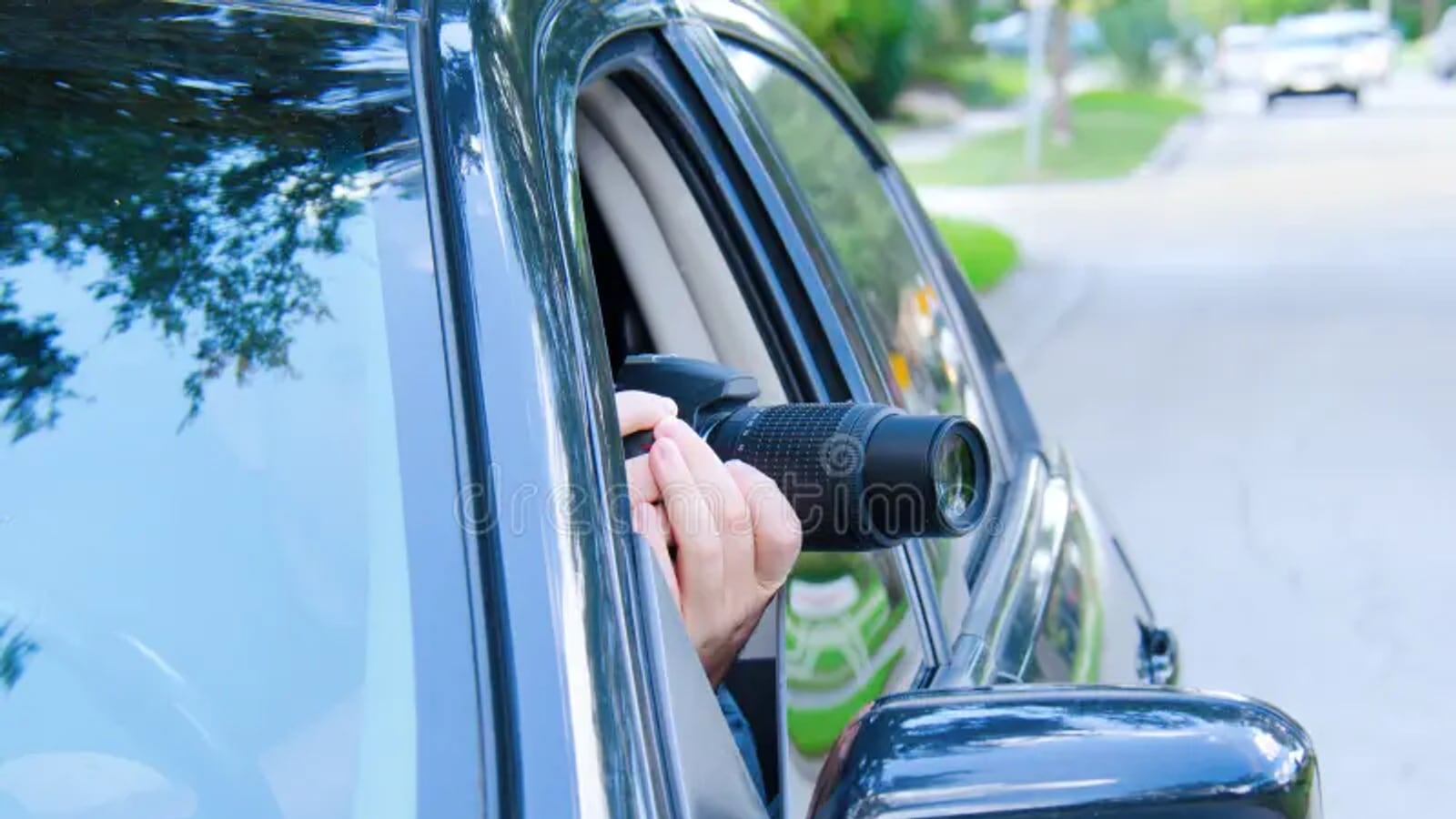
Field surveillance often consists of long periods with nothing relevant to record. The investigator balances visibility, traffic safety, public access, neighborhood impact, and the risk of attracting attention. A blocked view, heavy rain, school traffic, private gate, parking restriction, mechanical issue, or unsafe interaction can require repositioning or ending the shift. Losing sight of a subject must be documented rather than hidden.
Technology does not remove these constraints. Cameras still require a lawful view and accurate context. Drones are not a shortcut around privacy or access limits; commercial operations fall under FAA rules, including the agency's current Part 107 operating requirements. Any aerial use must also be evaluated for the location, airspace, people below, purpose, state law, and whether a less intrusive method answers the question.
A Useful Log Includes Gaps and Limitations
A contemporaneous log records arrival and departure, position changes, weather or visibility, vehicles and people observed, times, destinations, relevant actions, and periods when observation was blocked or the subject could not be identified. Neutral language matters: “the vehicle departed at 8:14 a.m.” is an observation; “the driver was hiding something” is an inference.
Good reporting includes non-events and ambiguity. If the investigator could not see who entered a vehicle, the report should not supply an identity from assumption. If ordinary conduct has several explanations, the report should not select the one most favorable to the client. A shift can be professionally completed even when the targeted activity does not occur; surveillance cannot guarantee an appearance, behavior, or evidentiary result.
Media Handling Continues After the Shift
After fieldwork, notes are completed while events are fresh, original media is transferred to controlled storage, working copies are labeled, and files are linked to the corresponding log entry. Relevant details can include device time settings, file sequence, export method, source camera, location, and who handled the material. Editing for a client-facing clip should never replace preservation of the original.
Florida Statute 90.901 requires authentication or identification before evidence is admitted; see the official evidence-code provision. Counsel decides what foundation a proceeding requires. An investigator can document collection and testify to firsthand actions when appropriate, but cannot promise that footage is automatically admissible or that it proves motive.
Safety and Proportionality Determine When to Stop
A shift should stop or change when continued work would be unsafe, unlawful, likely to expose the operation without sufficient value, outside the approved scope, or unlikely to affect the client's decision. Investigators should not trespass, provoke a confrontation, impersonate police, or continue following in a dangerous manner. Florida's tracking-device and tracking-application rules are set out in Statute 934.425; device ownership alone should not be treated as blanket consent or authority.
The behind-the-scenes discipline is therefore less cinematic than it appears: plan narrowly, observe lawfully, record accurately, preserve originals, state limitations, and stop when the facts no longer justify the risk or cost. Clients planning an assignment should use the companion Florida surveillance planning guide.