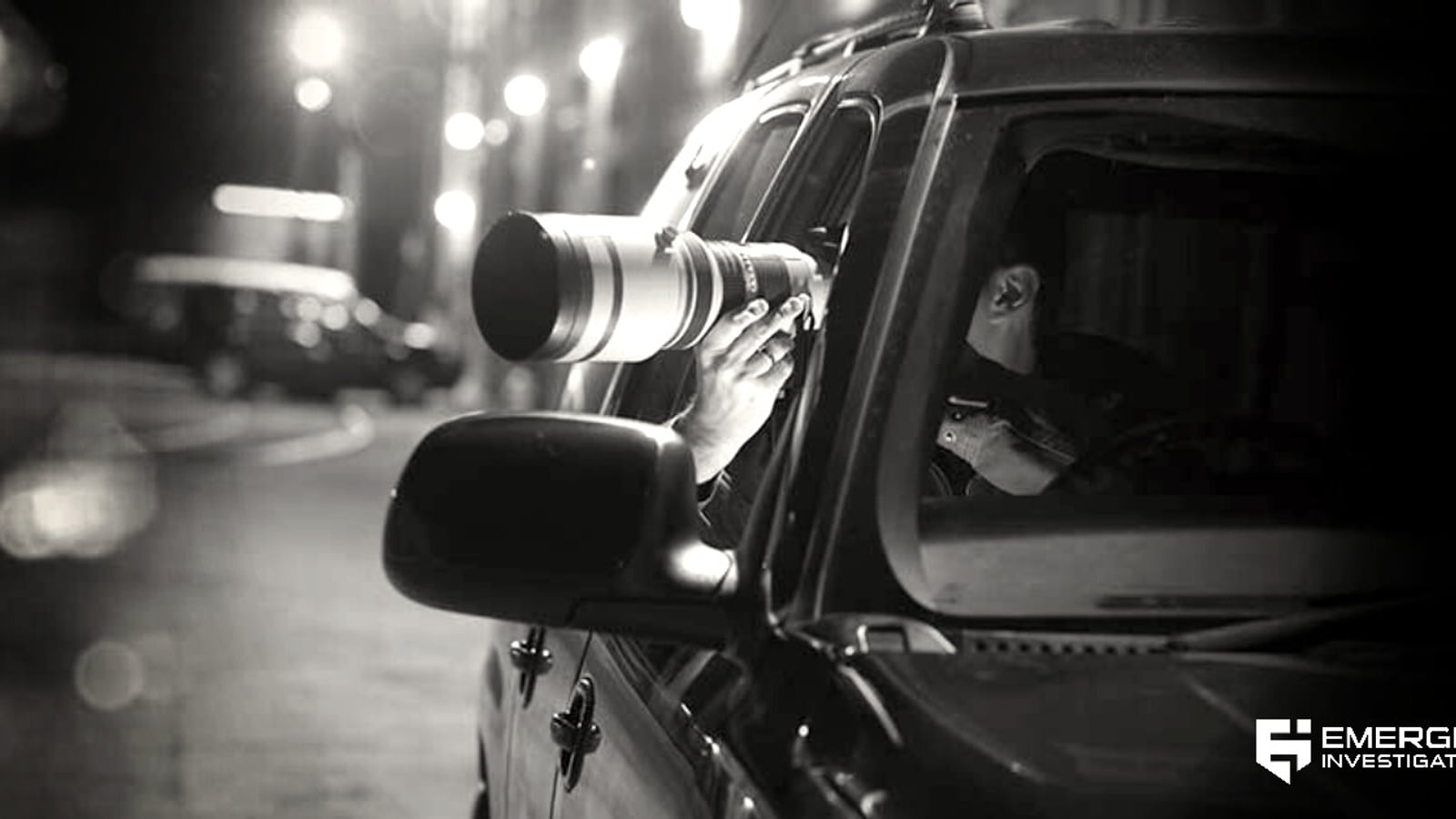
When Surveillance Is—and Is Not—Appropriate
Surveillance may be appropriate when observable conduct during a defined place and time could inform a legitimate legal, insurance, business, safety, or personal decision. Examples can include documenting activity relevant to counsel's case theory, confirming whether a business location operates as represented, or observing a defined event from a lawful public vantage point. The client should identify the decision and which conduct would materially affect it.
It is not appropriate for retaliation, intimidation, stalking, curiosity without a legitimate connection, violating an injunction, monitoring protected activity, or collecting unrelated private information. Call 911 for immediate danger or a crime in progress. Consult counsel first when custody, employment, litigation, protected activity, or a court order is involved. The right answer may be an official report, records request, interview, technical specialist, or no surveillance.
Florida Recording, Tracking, and Privacy Boundaries
Visual observation from a lawful position is not unlimited permission to capture anything. Location, expectation of privacy, equipment, audio, subject matter, consent, and intended use can change the analysis. Florida Statute 810.145 addresses digital voyeurism and private circumstances. An investigator should not film inside spaces where people reasonably expect bodily privacy or use technology to see what a lawful human vantage point cannot.
Audio and location tracking require separate review. Florida Statute 934.03 governs interception and disclosure of communications and includes defined exceptions; read the official communications statute. Statute 934.425 addresses tracking devices and apps. Clients should not assume that paying for a phone, owning a vehicle, sharing an account, or being married creates unrestricted consent. Obtain case-specific legal advice when authority is uncertain.
Choose the Time Window and Budget Checkpoints
Surveillance cannot be continuous merely because the desired behavior has not occurred. Use known schedules, relevant events, prior patterns, lawful location access, weather, traffic, and the decision deadline to choose the first observation window. Define minimum billable blocks, travel, mileage, number of investigators, report time, equipment, cancellation terms, and the spending amount that requires new approval.
Set an explicit checkpoint after the first shift or stage. Review what was observed, whether identity remained reliable, which time was unproductive, whether the premise still holds, and whether another method now offers better value. Adding hours should require a factual reason. A no-event result may narrow future timing, but it does not prove that conduct never occurs; the report must state the actual coverage and gaps.
Define Reports, Media, and Evidence Handling
Agree on deliverables before fieldwork: contemporaneous activity logs, still images, original video, labeled excerpts, a factual narrative, route or location documentation, expense records, and identified limitations as appropriate. Ask how device clocks are checked, original media is preserved, working copies are created, files are transferred securely, recipients are limited, and retention or deletion is handled.
“Court-ready” is not a sufficient specification or guarantee. Florida's authentication rule appears in Statute 90.901, but counsel determines what foundation and disclosure a particular proceeding requires. Reports should separate direct observation from client statements and investigator inference and should include adverse, ordinary, or inconclusive facts—not only selected highlights.
Questions to Ask Before Authorizing a Shift
Verify both the agency and assigned investigator with the FDACS license-search tool. Ask: What exact question will this shift test? Which locations and hours are authorized? What methods are excluded? Who performs and supervises the work? What causes the investigator to reposition or stop? How will mistaken identity be prevented? Which costs need approval? Who receives live updates and final files?
No provider can guarantee uninterrupted coverage, a subject appearance, a particular behavior, usable footage, admissibility, or a favorable outcome. A responsible proposal explains foreseeable gaps and why the first stage is proportionate. For the operational reality of a shift, read Florida Surveillance: Behind the Scenes; for service details, review our surveillance investigation scope.