Emerging Investigations Unmanned Surveillance Division

Unmanned Remote Surveillance in Florida

Unmanned surveillance services for Florida claims professionals and counsel who need a carefully assessed fixed-camera option, analyst-reviewed footage, and a clear factual record.

Florida Agency License A3100046Lawful site assessmentAnalyst-reviewed reporting

Fixed-location investigative coverage

Unmanned Surveillance Services Florida Claims Professionals and Counsel Can Assess

Some investigative questions are tied to a place, a recurring time window, and activity that may be difficult to observe during a conventional field shift. A properly assessed fixed-camera assignment can preserve a consistent view of that location while reducing gaps caused by a single observation window.

Emerging Investigations evaluates unmanned remote surveillance as one method within a broader investigative strategy. It may supplement or precede manned surveillance; it is not permanent security monitoring, drone surveillance, or a substitute for case-specific legal analysis.

Extend the observation window

Address difficult or recurring activity periods when a fixed view and defined location fit the investigative objective.

Build a usable chronology

Organize observable events into a time-based record with analyst review, selected stills, and factual narrative.

Choose the right method

Assess whether static camera surveillance, manned surveillance, or a blended approach is best suited to the question.

Appropriate assignments

Where Fixed-Camera Surveillance May Help

The strongest assignments connect a defined investigative objective to observable activity at a specific, lawfully viewable location.

Injury claims

Document observable activity relevant to a claimed limitation without drawing medical conclusions.

Workers’ compensation

Support a fact-based review of activities occurring within the camera’s authorized field of view.

Premises liability

Preserve visible conditions, access patterns, or recurring activity tied to a defined location.

Reported inconsistencies

Evaluate whether observable patterns align with information already documented in the claim or matter.

Difficult time windows

Address intermittent or extended observation periods that may warrant a static or blended plan.

Defined from intake to deliverable

A Five-Step Unmanned Surveillance Process

Every matter begins with feasibility, authority, and the investigative question—not with equipment.

Feasibility review

Clarify the location, objective, useful observation window, intended use, and whether a fixed camera can address the question.

Lawful site assessment

Evaluate authorization, access, sight lines, privacy, safety, environmental fit, and practical limitations.

Camera deployment

Place an appropriate unmanned surveillance camera only after the proposed position and scope are approved.

Analyst review

Review collected video for relevant observable activity, material gaps, and frames that support a factual chronology.

Structured reporting

Prepare a clear deliverable with time-based entries, selected imagery, source references, and stated limitations.

Fixed-camera field options

How Remote Cameras Are Deployed

A lawful site assessment determines whether a fixed camera is feasible and what form can fit the authorized environment. These examples show several exterior deployment formats without disclosing installation details.

Unmanned surveillance services Florida deployment example in a landscape-compatible enclosure
Landscape-compatible enclosureA fixed-location format selected to fit an authorized exterior setting.
Traffic-control-style unmanned surveillance camera enclosure
Traffic-control enclosureAn environment-matched option for a suitable, lawfully assessed position.
Roadside-style unmanned surveillance camera enclosure
Roadside enclosureA static format considered when the location and observation objective support it.
Utility-area unmanned surveillance camera enclosure
Utility-area enclosureA fixed-camera option designed for an appropriately authorized utility-area context.

Examples are illustrative. Placement, access, property authorization, privacy constraints, line of sight, safety, and case objectives are assessed before any deployment.

Method selection

Unmanned, Manned, or Blended Surveillance?

The right approach depends on whether the question is location-bound, mobile, intermittent, or requires field judgment.

ConsiderationUnmannedMannedBlended
Best fitDefined location and useful observation windowMobile activity or changing field conditionsPattern review followed by targeted field coverage
ViewOne fixed field of viewInvestigator-selected lawful vantage pointsFixed chronology plus field context
MobilityCannot follow a subjectMay follow mobile activity when lawful and feasibleUses manned coverage where mobility matters
ReportingTime-based footage review and factual chronologyInvestigator observations, imagery, and field notesCombined record with sources distinguished

Sample deliverable

What Your Report Can Include

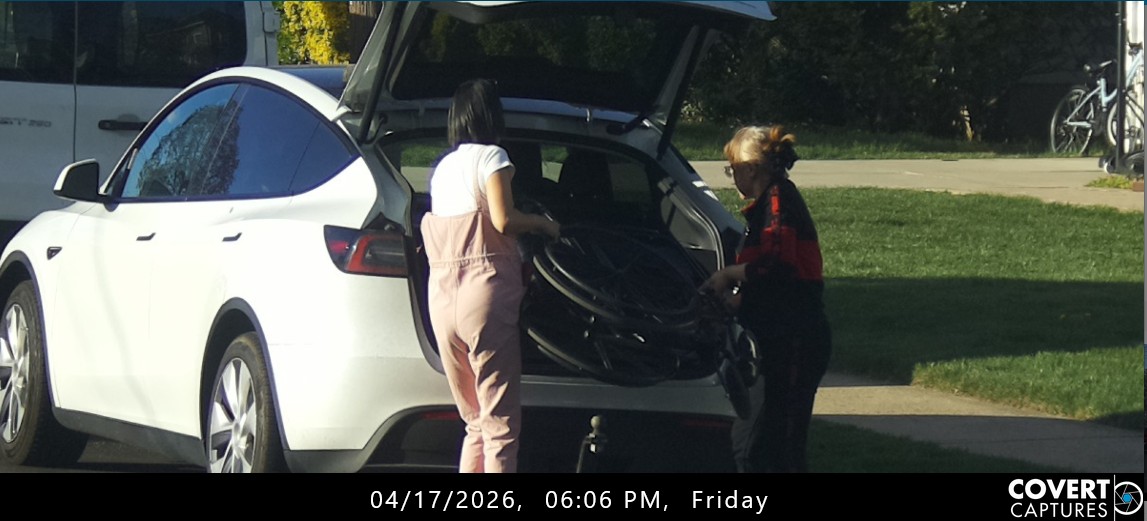
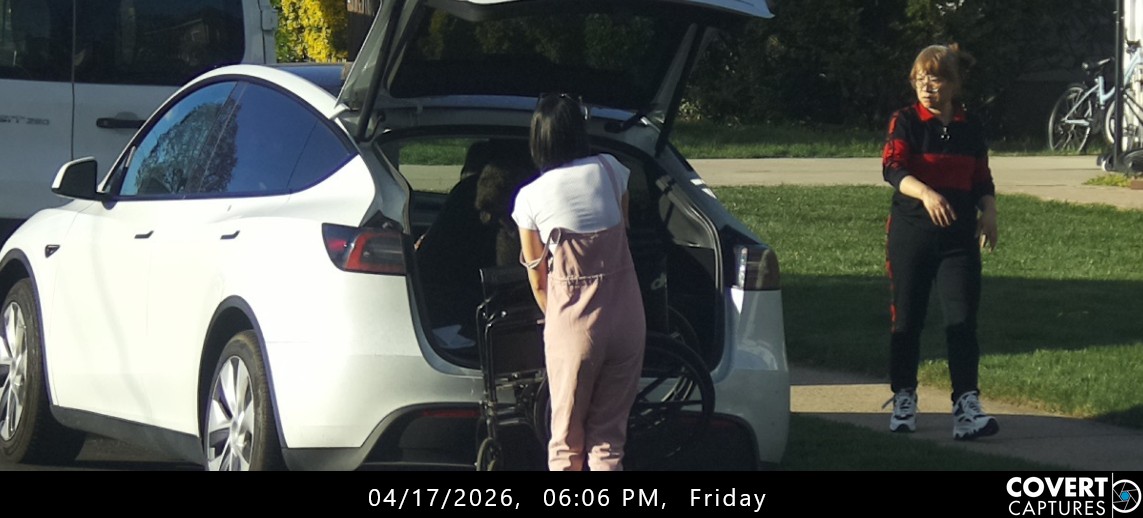
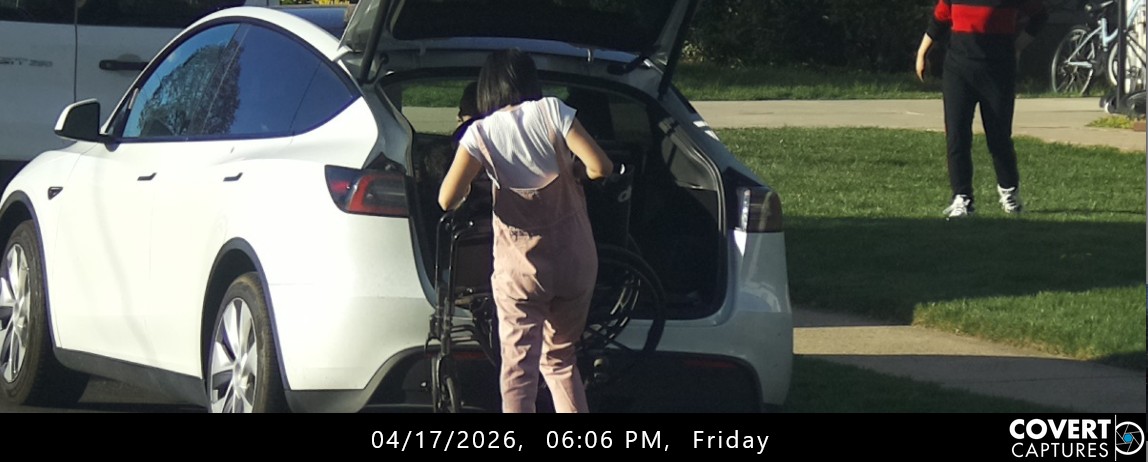
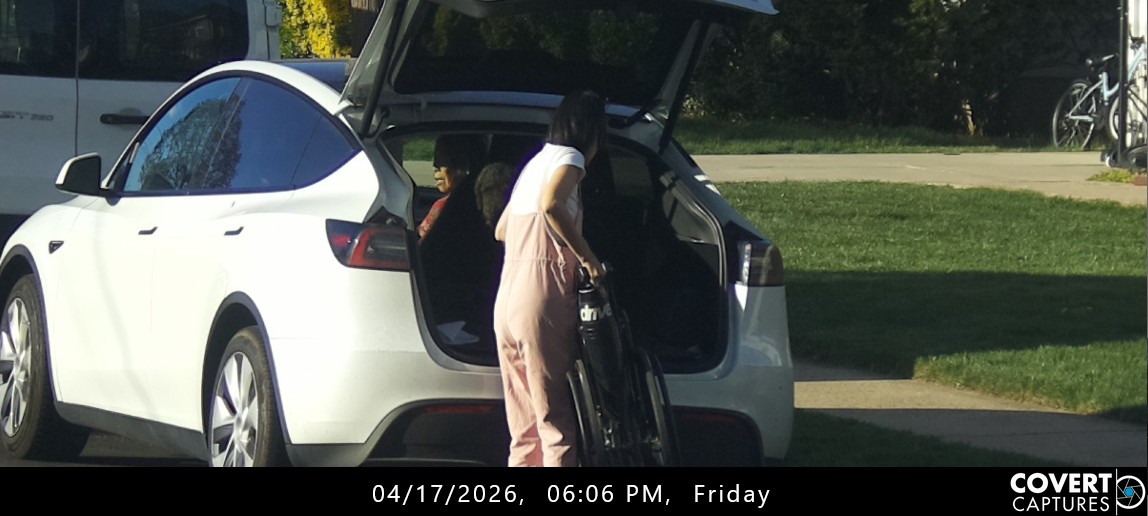
Analysts can organize relevant observable activity into a restrained chronology that helps claims professionals and counsel review what occurred, when it occurred, and what the camera could not show.

Redacted report sequence showing an adult moving a wheelchair near a vehicle
Activity sequence: an observable mobility-related event presented without medical interpretation.
Redacted report sequence showing an adult walking two dogs
Activity sequence: time-based visual documentation of outdoor activity.
Redacted report sequence showing an adult carrying a bag near a vehicle
Activity sequence: a relevant event placed within a neutral chronology.

Redacted sample deliverable. Identifying details have been removed or altered for privacy.

Operational discipline

Collection and Reporting Standards

  • Lawful placement: proposed sites are reviewed for authorization, access, vantage point, privacy, and case scope.
  • Privacy minimization: collection is limited to the defined objective and authorized field of view.
  • Video-focused scope: visual evidence is prioritized; audio is not treated as an automatic part of remote surveillance.
  • Original-file handling: source media, relevant excerpts, and review notes are handled according to the assignment scope.
  • Time context: reporting identifies timing and material gaps without suggesting more coverage than occurred.
  • Factual language: analysts describe observable activity without speculation, diagnosis, or outcome claims.

Known constraints

Limitations Matter

  • Static viewpoint: a fixed camera cannot follow a mobile subject or see beyond its field of view.
  • Observable activity: results depend on whether relevant activity occurs where and when it can be lawfully viewed.
  • Conditions and access: weather, obstructions, authorization, site change, equipment condition, and safety can affect collection.
  • No admissibility promise: collection and documentation can support review, but no investigator can guarantee acceptance by a court or other decision-maker.

Common questions

Unmanned Remote Surveillance FAQs

Unmanned remote surveillance uses a lawfully placed fixed camera to document activity visible from an authorized location during a defined observation period. It is an investigative method, not permanent security monitoring or drone surveillance.
A fixed camera may be appropriate when the investigative objective relates to a specific location, observable activity, and a useful time window that is difficult to cover efficiently with a field investigator alone. Feasibility depends on lawful placement, access, sight lines, privacy, safety, and case scope.
Unmanned surveillance maintains a fixed view of one location. Manned surveillance can make lawful observational decisions in the field and may follow mobile activity. A blended plan may use a fixed camera to identify patterns and manned surveillance for mobility or context.
Depending on scope and results, a report can include a factual chronology, time-stamped still frames, analyst notes, relevant video excerpts, original-file references, and documented gaps or limitations. Reporting describes observable activity without diagnosing, speculating, or promising a particular case outcome.
No. A static camera cannot follow a mobile subject or document activity outside its field of view. If mobility is central to the objective, manned surveillance or a blended approach may be more appropriate.
Every proposed deployment requires a case-specific review of placement, authorization, privacy, recording method, and applicable law. Emerging Investigations focuses on lawful visual collection and factual handling, but admissibility is never guaranteed. Case-specific legal questions should be directed to counsel.

Emerging Investigations Unmanned Surveillance Division

Request a Camera Deployment Assessment

Use our investigation request form to provide the location, investigative objective, useful observation window, and intended use. We will assess whether unmanned surveillance, manned surveillance, or a blended plan may fit the matter.